
We are living in an era where Robotics & Automation are no longer science fiction — they are the backbone of modern industry and innovation. From intelligent machines on factory floors to autonomous robots assisting in hospitals, robotics is reshaping the way we work, live, and create.
At its essence, robotics combines mechanical engineering, AI, and advanced sensors to create machines capable of performing tasks that were once limited to humans. Automation enhances efficiency, reduces errors, and allows humans to focus on strategic and creative work rather than repetitive tasks.
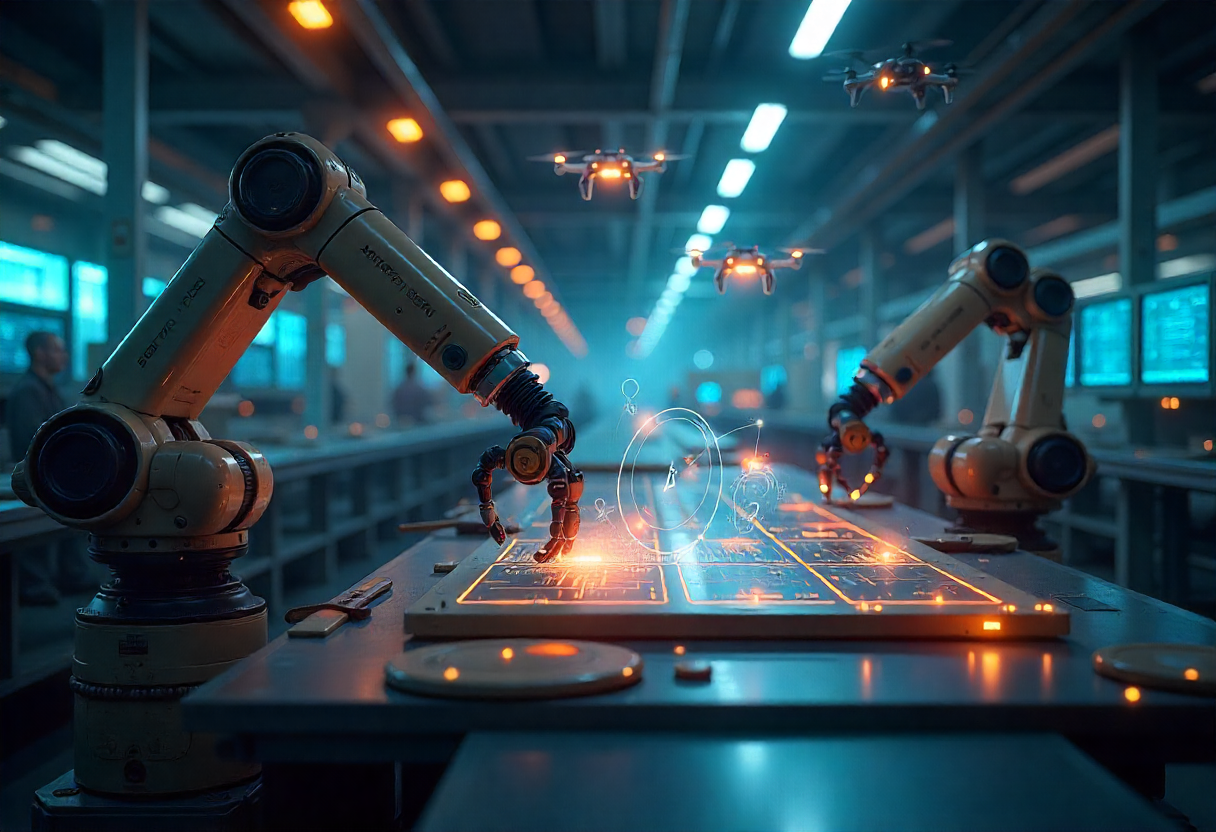
In manufacturing, robotics has fueled the rise of smart factories. Robotic arms, guided by AI and real-time data, assemble products with unmatched precision and speed. Inventory management, quality control, and logistics are now powered by intelligent systems that optimize operations around the clock, minimizing downtime and maximizing output.
The impact of robotics extends far beyond production lines. In healthcare, surgical robots assist doctors in performing complex procedures with precision that human hands alone cannot achieve. In agriculture, autonomous drones and harvesters monitor crops, optimize irrigation, and increase yields sustainably. Logistics and e-commerce benefit from robots that pick, pack, and deliver goods efficiently, meeting the demands of a global market.
Humanoid and collaborative robots — often called cobots — are the next frontier. Unlike traditional robots that operate in isolation, cobots are designed to work safely alongside humans, enhancing productivity while maintaining safety. They can learn from human behavior, adapt to tasks, and even assist in creative problem-solving.
However, the rise of automation comes with challenges. Questions about job displacement and workforce adaptation are pressing. Yet, robotics doesn’t eliminate work — it transforms it. Repetitive and dangerous tasks are automated, freeing humans to engage in innovation, leadership, and decision-making. The future workforce will thrive by collaborating with intelligent machines.
Another key factor is ethical robotics and governance. As robots gain autonomy and AI-driven decision-making capabilities, industries must ensure safety, fairness, and transparency. Proper regulations and ethical frameworks are essential to ensure technology serves humanity, not replaces it.
The future of robotics is incredibly promising. From autonomous vehicles navigating cities to AI-driven robots exploring oceans and space, the potential is limitless. Industries, startups, and innovators who adopt and integrate robotics early will lead the way in shaping a smarter, faster, and more efficient world.
In conclusion, Robotics & Automation are not just technological advancements — they are transformative forces. By blending human intelligence with robotic precision, we are entering an era of unparalleled productivity, creativity, and innovation. The machines of today are the collaborators of tomorrow, and the future belongs to those who embrace this synergy.